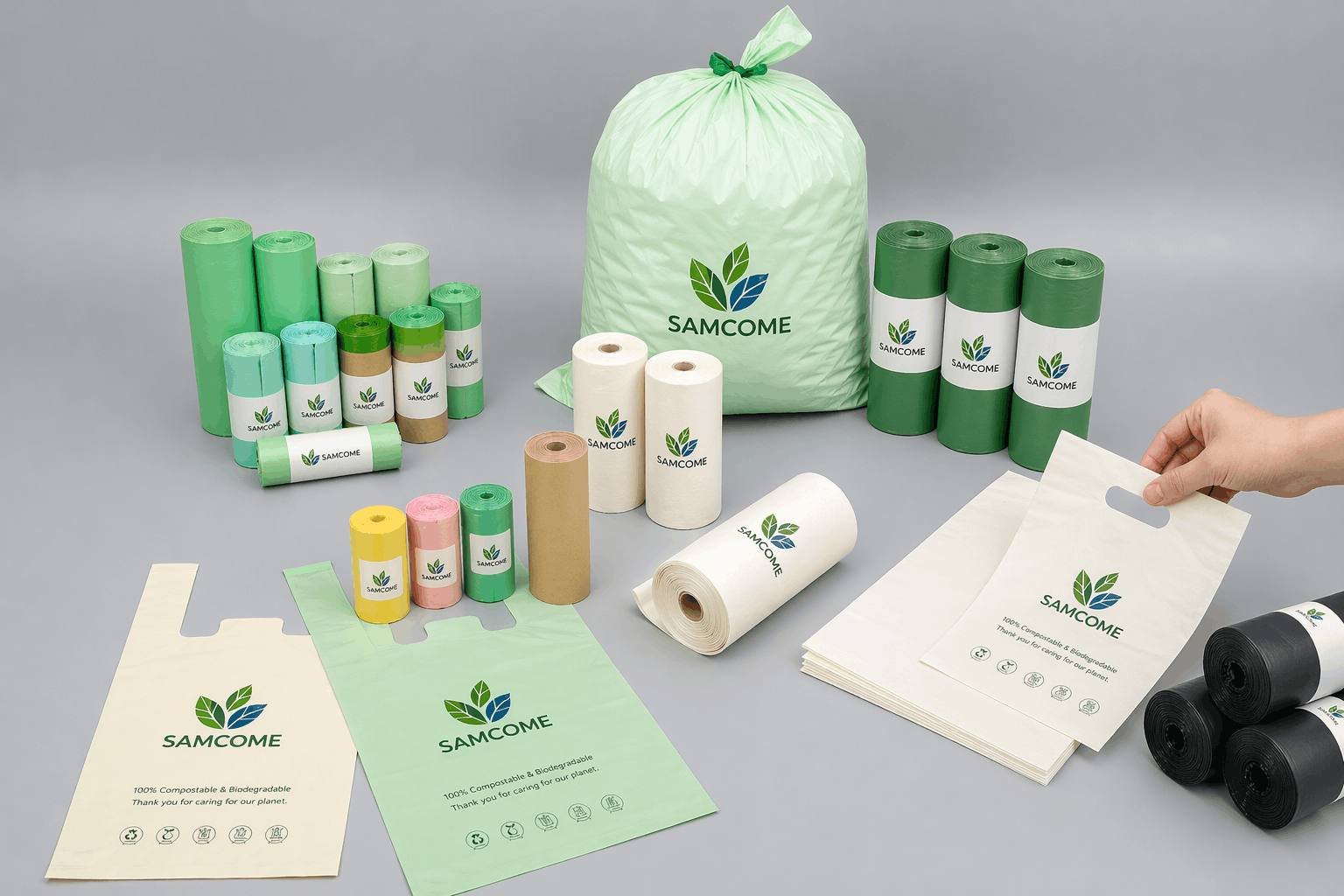
As compostable packaging becomes more common in global markets, many buyers are asking the same question: what is EN 13432 and why does it matter?
EN 13432 is one of the most recognized standards associated with compostable packaging in Europe. For packaging manufacturers, importers, brand owners, and material buyers, understanding this standard is important when selecting biodegradable raw materials and evaluating packaging claims.
What is EN 13432?
EN 13432 is a European standard related to packaging recoverable through composting and biodegradation. In simple words, it provides criteria that help determine whether packaging materials are suitable for industrial composting systems under defined conditions.
This standard is important because it gives the market a more structured way to evaluate compostable packaging instead of relying on unclear or unsupported environmental claims.
Why EN 13432 matters in packaging
The packaging industry needs clear rules for environmental claims. Without recognized standards, it becomes difficult for buyers to know whether a material is actually suitable for compostable packaging.
EN 13432 matters because it helps buyers and manufacturers:
- understand compostability requirements
- support claim credibility
- improve technical evaluation
- reduce confusion in material selection
- align with packaging expectations in some markets
For B2B buyers, this standard is especially useful when selecting materials for compostable food packaging, bags, films, trays, and other sustainable applications.
What does EN 13432 check?
In general, EN 13432 is associated with several important areas of evaluation. These are commonly discussed as including:
- biodegradation
- disintegration during composting
- impact on compost quality
- limits for certain substances
- suitability for composting systems
For buyers, the key idea is that the standard does not focus only on whether a material eventually breaks down. It also looks at whether the material behaves appropriately in composting conditions.
Does EN 13432 mean home compostable?
No, not automatically.
This is a very common misunderstanding. EN 13432 is generally associated with industrial composting conditions, not home composting conditions. Buyers should not assume that a material meeting EN 13432 is automatically suitable for home composting.
If home compostability is important, that should be checked separately and carefully.
EN 13432 vs biodegradable claims
A general biodegradable claim is not the same as alignment with EN 13432.
Biodegradable is a broad word. EN 13432 is a specific standard-based framework. That means a product described as biodegradable may still require much more information before it can be discussed in relation to compostable packaging systems.
This is why many buyers first read about biodegradable vs compostable before moving to standard-specific topics like EN 13432.
EN 13432 vs ASTM D6400
Buyers sometimes also compare EN 13432 with ASTM D6400. Both are associated with compostable plastics and packaging evaluation, but they belong to different standard systems and market contexts.
For international sourcing, it is important to know which standard is more relevant in the destination market. Material and product claims should always be checked according to the market where the product will be sold.
What buyers should verify before sourcing
Before selecting a material for compostable packaging development, buyers should check:
- the exact material grade
- whether the claim applies to the raw material or final product
- whether testing is grade-specific or formulation-specific
- what application the material is designed for
- whether the destination market has special labeling or packaging requirements
A material may be technically promising, but the final product design, thickness, additives, inks, and structure can also affect suitability.
Which materials may be used in compostable packaging development?
Materials often discussed in compostable packaging development include:
- PLA
- PBAT
- PHA
- starch-based materials
- compound blends
For example, PLA pellets for sustainable packaging may be relevant for rigid applications, while flexible solutions may rely more heavily on PBAT or blend systems.
However, buyers should always confirm grade-specific suitability and certification support rather than assuming all materials in the category perform the same way.
Common sourcing mistakes
-
Assuming the raw material alone guarantees final product compliance
The final package design and formulation matter.
-
Using broad claims without checking standards
A general biodegradable claim is not enough when standard-based compostable claims are required.
-
Ignoring export market rules
Different markets may focus on different standards, labeling systems, or claim requirements.
-
Choosing material only by marketing language
Real performance, processing, and compliance checks are still essential.
Why EN 13432 is important for brand trust
Sustainability claims are stronger when supported by recognized standards. Buyers, distributors, and end customers are more likely to trust packaging claims when the language is accurate and supported by documentation.
This does not mean buyers should rely only on a label. It means they should understand what the standard represents and what still needs to be verified.
Why choose Samcome
At Samcome, we support customers seeking practical material solutions for sustainable packaging and biodegradable product development. We offer materials such as PLA, PBAT, PHA, starch-based compounds, and biodegradable blends for different application needs.
If you are developing a compostable packaging project and need help choosing the right material, you can request a quote from our team.
Conclusion
EN 13432 is an important standard for buyers working with compostable packaging in Europe and other related markets. It helps provide a more reliable framework for evaluating packaging suitability in industrial composting conditions.
For manufacturers and sourcing teams, the most important step is to verify the exact material, application, and documentation rather than relying on broad sustainability language alone.
Request a quote
Tell us your target product (film/bags, trays, injection parts), and we’ll recommend a suitable grade and provide a quotation.
FAQs "Frequently Asked Questions"?
What is EN 13432?
EN 13432 is a European standard associated with packaging recoverable through composting and biodegradation.
Does EN 13432 mean home compostable?
No. It is generally associated with industrial composting conditions, not automatic home compostability.
Is biodegradable the same as EN 13432 compliant?
No. Biodegradable is a broader term, while EN 13432 is a specific standard-based framework.
Which materials are used in compostable packaging?
Common materials include PLA, PBAT, PHA, starch-based materials, and biodegradable blends.
Why should packaging buyers care about EN 13432?
Because it helps them evaluate compostable packaging claims more accurately and reduce sourcing mistakes.
As compostable packaging becomes more common in global markets, many buyers are asking the same question: what is EN 13432 and why does it matter?
EN 13432 is one of the most recognized standards associated with compostable packaging in Europe. For packaging manufacturers, importers, brand owners, and material buyers, understanding this standard is important when selecting biodegradable raw materials and evaluating packaging claims.
What is EN 13432?
EN 13432 is a European standard related to packaging recoverable through composting and biodegradation. In simple words, it provides criteria that help determine whether packaging materials are suitable for industrial composting systems under defined conditions.
This standard is important because it gives the market a more structured way to evaluate compostable packaging instead of relying on unclear or unsupported environmental claims.
Why EN 13432 matters in packaging
The packaging industry needs clear rules for environmental claims. Without recognized standards, it becomes difficult for buyers to know whether a material is actually suitable for compostable packaging.
EN 13432 matters because it helps buyers and manufacturers:
- understand compostability requirements
- support claim credibility
- improve technical evaluation
- reduce confusion in material selection
- align with packaging expectations in some markets
For B2B buyers, this standard is especially useful when selecting materials for compostable food packaging, bags, films, trays, and other sustainable applications.
What does EN 13432 check?
In general, EN 13432 is associated with several important areas of evaluation. These are commonly discussed as including:
- biodegradation
- disintegration during composting
- impact on compost quality
- limits for certain substances
- suitability for composting systems
For buyers, the key idea is that the standard does not focus only on whether a material eventually breaks down. It also looks at whether the material behaves appropriately in composting conditions.
Does EN 13432 mean home compostable?
No, not automatically.
This is a very common misunderstanding. EN 13432 is generally associated with industrial composting conditions, not home composting conditions. Buyers should not assume that a material meeting EN 13432 is automatically suitable for home composting.
If home compostability is important, that should be checked separately and carefully.
EN 13432 vs biodegradable claims
A general biodegradable claim is not the same as alignment with EN 13432.
Biodegradable is a broad word. EN 13432 is a specific standard-based framework. That means a product described as biodegradable may still require much more information before it can be discussed in relation to compostable packaging systems.
This is why many buyers first read about biodegradable vs compostable before moving to standard-specific topics like EN 13432.
EN 13432 vs ASTM D6400
Buyers sometimes also compare EN 13432 with ASTM D6400. Both are associated with compostable plastics and packaging evaluation, but they belong to different standard systems and market contexts.
For international sourcing, it is important to know which standard is more relevant in the destination market. Material and product claims should always be checked according to the market where the product will be sold.
What buyers should verify before sourcing
Before selecting a material for compostable packaging development, buyers should check:
- the exact material grade
- whether the claim applies to the raw material or final product
- whether testing is grade-specific or formulation-specific
- what application the material is designed for
- whether the destination market has special labeling or packaging requirements
A material may be technically promising, but the final product design, thickness, additives, inks, and structure can also affect suitability.
Which materials may be used in compostable packaging development?
Materials often discussed in compostable packaging development include:
- PLA
- PBAT
- PHA
- starch-based materials
- compound blends
For example, PLA pellets for sustainable packaging may be relevant for rigid applications, while flexible solutions may rely more heavily on PBAT or blend systems.
However, buyers should always confirm grade-specific suitability and certification support rather than assuming all materials in the category perform the same way.
Common sourcing mistakes
Assuming the raw material alone guarantees final product compliance
The final package design and formulation matter.
Using broad claims without checking standards
A general biodegradable claim is not enough when standard-based compostable claims are required.
Ignoring export market rules
Different markets may focus on different standards, labeling systems, or claim requirements.
Choosing material only by marketing language
Real performance, processing, and compliance checks are still essential.
Why EN 13432 is important for brand trust
Sustainability claims are stronger when supported by recognized standards. Buyers, distributors, and end customers are more likely to trust packaging claims when the language is accurate and supported by documentation.
This does not mean buyers should rely only on a label. It means they should understand what the standard represents and what still needs to be verified.
Why choose Samcome
At Samcome, we support customers seeking practical material solutions for sustainable packaging and biodegradable product development. We offer materials such as PLA, PBAT, PHA, starch-based compounds, and biodegradable blends for different application needs.
If you are developing a compostable packaging project and need help choosing the right material, you can request a quote from our team.
Conclusion
EN 13432 is an important standard for buyers working with compostable packaging in Europe and other related markets. It helps provide a more reliable framework for evaluating packaging suitability in industrial composting conditions.
For manufacturers and sourcing teams, the most important step is to verify the exact material, application, and documentation rather than relying on broad sustainability language alone.
Request a quote
Tell us your target product (film/bags, trays, injection parts), and we’ll recommend a suitable grade and provide a quotation.