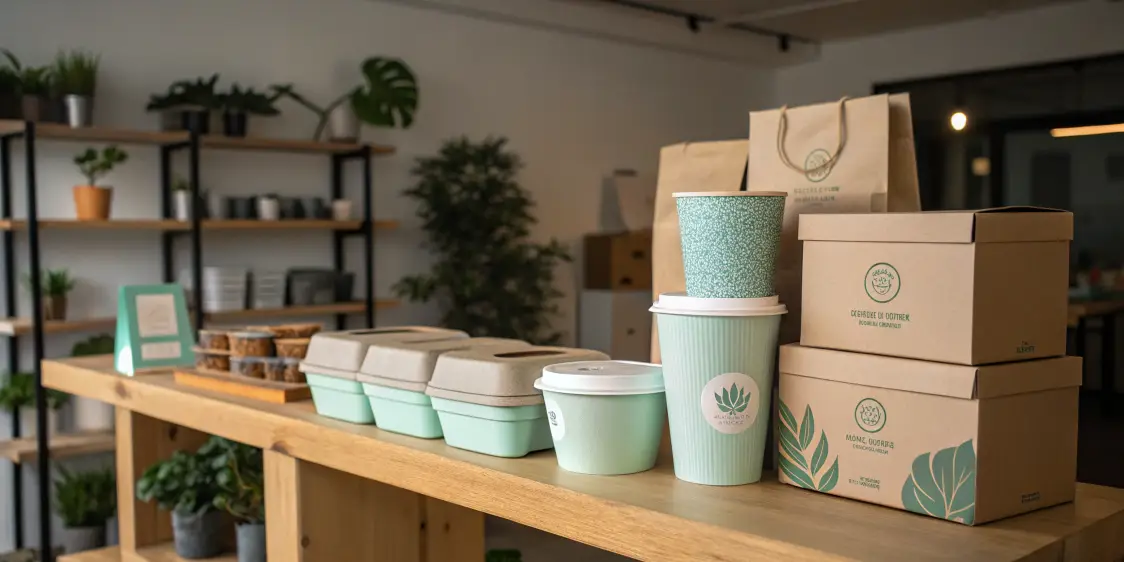
Food packaging is one of the largest and most important application areas for sustainable materials. As governments, brands, and consumers pay more attention to waste reduction and packaging impact, many businesses are searching for the best biodegradable food packaging materials for their products.
However, there is no single material that fits every food packaging format. Trays, bags, lids, cups, films, and molded parts all require different material performance. That is why manufacturers often compare different biodegradable raw materials before deciding which one to use.
Why food packaging needs the right material
Food packaging must do more than look sustainable. It must also perform well in real commercial use.
The right material should be selected based on:
- food-contact needs
- rigidity or flexibility
- heat resistance
- moisture exposure
- shelf-life requirements
- sealing and processing method
- compostability and disposal expectations
Choosing the wrong material can lead to poor packaging performance, customer complaints, and unnecessary cost.
Main biodegradable materials used in food packaging
- PLA
- PBAT
- PHA
- starch-based compounds
- biodegradable blends
Each of these materials is suitable for different packaging types.
The most common materials used in biodegradable or compostable food packaging development include:
-
Main biodegradable materials used in food packaging
The most common materials used in biodegradable or compostable food packaging development include:
- PLA
- PHA
- starch-based compounds
- biodegradable blends
Each of these materials is suitable for different packaging types.
-
PLA for rigid food packaging
PLA is one of the best-known materials for rigid biodegradable food packaging. It is commonly used in:
- trays
- cups
- lids
- clamshell containers
- clear food containers
PLA is valued for its transparency, stiffness, and attractive appearance. It is often selected for
food-service packaging where presentation and branding matter.If you need rigid sustainable packaging material, you can explore our PLA pellets for sustainable
packaging. -
PBAT for flexible food packaging
PBAT is a flexible biodegradable material often used in soft packaging and bag applications. It is useful
where toughness, elongation, and flexibility are important.PBAT is commonly discussed for:
- compostable bags
- soft food packaging films
- flexible wrap structures
- blend-based packaging systems
For flexible product development, many manufacturers consider biodegradable PBAT as part of the material
solution. -
PHA for specialty food packaging
PHA is often positioned as a more advanced biodegradable polymer family. It may be used in food packaging
projects that require strong sustainability positioning or specialty application development.PHA can be attractive for certain premium compostable packaging programs, depending on performance and budget.
If you are exploring advanced biodegradable materials, you can also review our PHA pellets.
-
Starch-based materials and blends
Starch-based compounds and blends are often used when buyers want renewable content and more cost-sensitive biodegradable solutions. These materials may be used in:
- disposable food-service items
- bags
- trays in selected cases
- trays in selected cases
Their performance depends strongly on formulation, application, and processing method.
Best material by food packaging type
-
Bags and flexible packaging
PBAT and blend systems are commonly used where flexibility is important.
-
Rigid trays and containers
PLA is often one of the strongest options because of its stiffness and appearance.
-
Specialty compostable packaging
PHA may be considered for higher-value or differentiated sustainability-focused applications.
-
Cost-sensitive disposable formats
Starch-based blends may be attractive depending on the product and formulation target.
What buyers should check before choosing a material
Before selecting a biodegradable food packaging material, buyers should check:
- is the product rigid or flexible?
- does it require heat resistance?
- is transparency important?
- what processing method will be used?
- what end market and disposal route apply?
- what claim will appear on the packaging?
- does the grade match food-contact and technical requirements?
This step is very important because a material that works well for one packaging type may perform poorly in another.
Common applications
Biodegradable food packaging materials are used in:
- food trays
- takeaway containers
- compostable bags
- disposable cups
- clamshell boxes
- produce packaging
- lids and inserts
- catering and food-service packaging
Why businesses are choosing biodegradable food packaging
Businesses move to biodegradable and compostable packaging for many reasons:
- sustainability goals
- regulatory pressure
- customer demand
- brand positioning
- lower reliance on fossil-based materials
- support for eco-friendly product lines
However, good results only come when the material is matched correctly to the product and process.
Why choose Samcome
At Samcome, we support packaging manufacturers, converters, and importers looking for practical biodegradable raw material solutions. Our product range includes PLA, PBAT, PHA, starch-based materials, and biodegradable blends for food packaging and related applications.
If you need help selecting the right material for trays, bags, containers, or molded food packaging, you can request a quote from our team.
Conclusion
The best biodegradable food packaging material depends on the product type, performance target, and market requirement. PLA is often ideal for rigid containers and trays, PBAT works well for flexible packaging, and PHA or starch-based blends may suit more specialized projects.
A smart buyer always compares the application first and then selects the material that best supports function, sustainability, and processing.
Request a quote
Tell us your target product (film/bags, trays, injection parts), and we’ll recommend a suitable grade and provide a quotation.
FAQs "Frequently Asked Questions"?
What are the best biodegradable food packaging materials?
Common options include PLA, PBAT, PHA, starch-based compounds, and biodegradable blends.
Which material is best for rigid food containers?
PLA is often one of the most suitable options for rigid food containers and trays.
Which material is used for compostable food bags?
PBAT and blend systems are often used for flexible compostable bag applications.
Are biodegradable food packaging materials compostable?
Some are designed for compostable applications, but suitability depends on the material, grade, and certification context.
How do I choose the right food packaging material?
Choose based on rigidity, flexibility, heat needs, process type, market requirements, and disposal expectations.