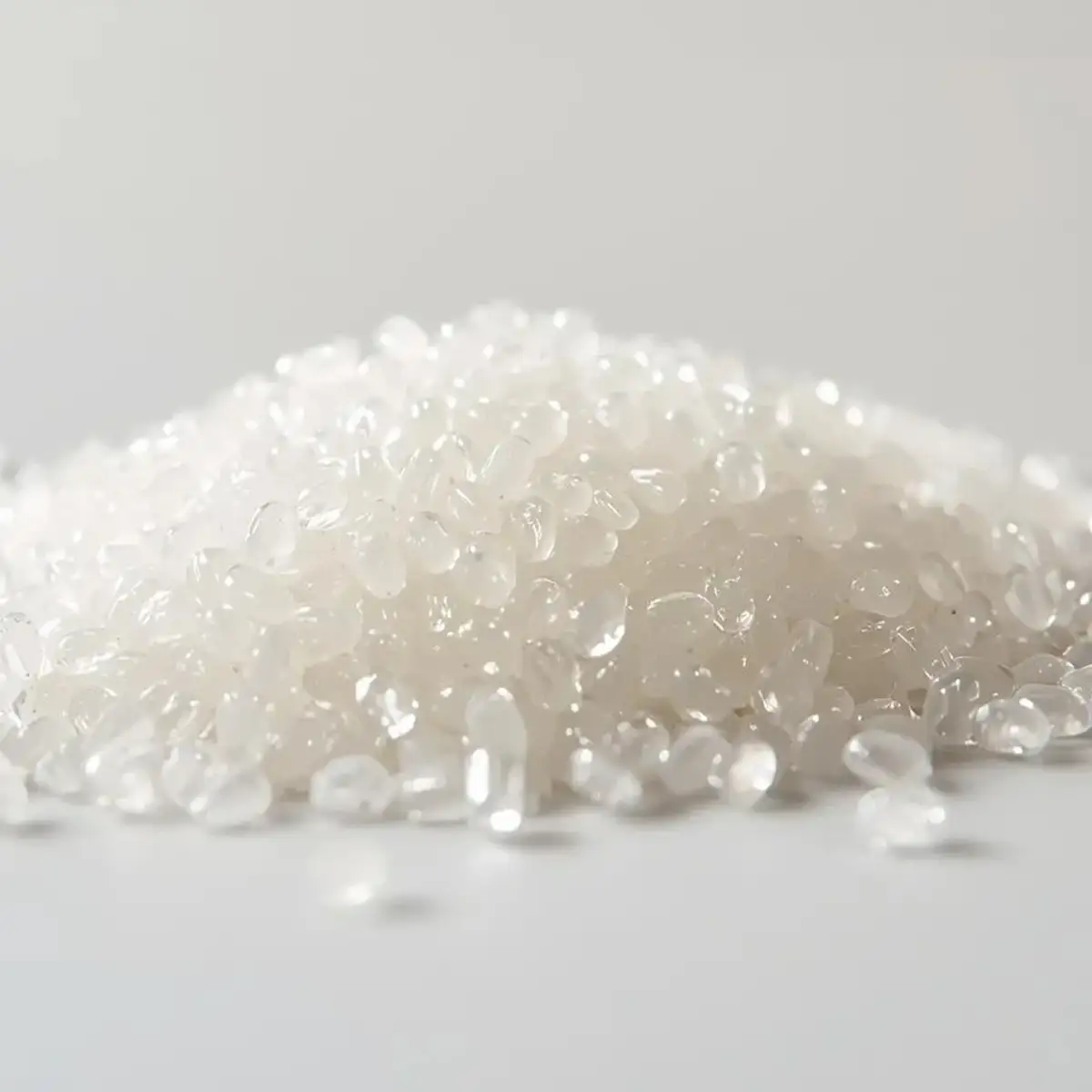
PLA plastic is one of the most widely used biodegradable materials in sustainable packaging and manufacturing. PLA stands for Polylactic Acid, a bioplastic made from renewable plant-based resources such as corn starch or sugarcane. Because it is bio-based and can be industrially compostable under the right conditions, PLA has become a popular alternative to many traditional petroleum-based plastics.
For brands, importers, converters, and packaging manufacturers, PLA is often considered one of the first materials to explore when moving toward lower-impact packaging solutions. It offers good clarity, rigidity, printability, and processability, which makes it useful for a wide range of commercial applications.
What is PLA plastic?
PLA plastic is a thermoplastic polymer produced from lactic acid, which is usually derived from renewable agricultural feedstocks. In simple words, PLA is a plastic made from plants instead of fossil fuel feedstocks.
Unlike conventional plastics that are made from petrochemicals, PLA is valued because it can support sustainability goals, especially in packaging and disposable product categories. It is commonly used in cups, trays, food containers, films, labels, and 3D printing filament.
How is PLA made?
PLA is made through a process that starts with renewable biodegradable raw materials such as corn starch or sugarcane. These feedstocks are converted into sugars, then fermented into lactic acid. The lactic acid is then polymerized to form polylactic acid resin.
This process makes PLA attractive to many companies that want a material with a more renewable origin than standard plastics.
Key properties of PLA plastic
PLA has several properties that make it useful for packaging and product manufacturing:
- good transparency and gloss
- good stiffness and rigidity
- good printability
- suitable for thermoforming and some injection molding uses
- plant-based origin
- industrial compostability in suitable grades and disposal systems
PLA is often selected when appearance and shape retention are important. It performs especially well in rigid applications such as trays, cups, lids, blister packs, and certain food packaging formats.
Is PLA biodegradable?
PLA is often described as biodegradable, but the full answer is important.
PLA is generally industrially compostable, which means it is designed to break down under controlled composting conditions such as the right temperature, humidity, oxygen, and microbial activity. It should not automatically be assumed that PLA will degrade quickly in every natural environment.
That is why buyers should always check the exact grade, certification status, and target end-use requirements before selecting a PLA material.
PLA plastic uses
PLA is used in many industries, especially where sustainability messaging and product appearance are important.
Common PLA applications include:
- food packaging trays
- cups and lids
- clamshell containers
- labels and films
- disposable cutlery in some grades
- 3D printing filament
- medical and hygiene applications in selected cases
For packaging manufacturers, PLA is often a good choice for rigid packaging where clarity, branding appearance, and compostability goals matter.
Benefits of PLA plastic
-
Renewable source
PLA is derived from plant-based feedstocks, which makes it more attractive to many brands looking for alternatives to fossil-based plastics.
-
Good appearance
PLA offers strong visual appeal, including transparency and gloss, which is useful in retail and food packaging.
-
Good stiffness
PLA performs well in applications where rigidity is more important than flexibility.
-
Suitable for sustainable packaging programs
Many businesses use PLA as part of a wider transition toward compostable or lower-impact packaging strategies.
-
Good processability
PLA can be used in thermoforming, sheet extrusion, and certain injection molding applications depending on the grade.
Limitations of PLA plastic
Like every material, PLA also has limitations.
-
Heat resistance can be limited
Standard PLA may not perform well in high-temperature applications unless modified or specially formulated.
-
It is not the best choice for every flexible packaging use
PLA is more rigid and brittle than some other biodegradable polymers, so for soft films or highly flexible products, it may need blending with other materials.
-
Compostability depends on the correct conditions
Industrial compostability does not mean the material will decompose quickly everywhere. Buyers must understand the disposal system of the target market.
-
Material selection depends on final use
For some applications, PBAT, PHA, TPS, or a blend may be more suitable than pure PLA.
PLA vs traditional plastic
Compared with conventional plastics, PLA can offer a more sustainable material story because of its renewable origin and compostability potential. However, material selection should never be based on marketing only. It should be based on:
- end application
- barrier needs
- heat resistance
- flexibility
- processing method
- compostability requirements
- export market rules
PLA vs PBAT
PLA and PBAT are both used in biodegradable packaging, but they are different.
- PLA is usually more rigid and better for trays, cups, lids, and rigid packaging
- Biodegradable PBAT is more flexible and often used for compostable bags and film applications
In many packaging products, manufacturers use blends of PLA and PBAT to balance stiffness and flexibility.
PLA vs PHA
PHA is often positioned as a more premium biodegradable polymer family. It can offer advantages in certain biodegradation profiles and specialty applications, but it is generally more expensive. PLA is more common for mainstream packaging due to wider use and market familiarity.
How to choose the right PLA grade?
When choosing a PLA material, buyers should check:
- target application
- rigidity and impact requirements
- thermoforming or injection molding process
- food-contact needs
- certification requirements
- compostability standards in destination market
- blending requirements with PBAT, starch, or other modifiers
Is PLA good for packaging?
Yes, PLA can be very good for packaging when the application matches the material’s strengths. It is especially suitable for:
- rigid food packaging
- trays
- cups
- lids
- clamshell packaging
- retail packaging components
If the product needs high flexibility, high heat resistance, or special durability, another biodegradable material or a blend may be better.
Why manufacturers choose PLA from a reliable supplier
A reliable supplier helps ensure:
- consistent quality
- proper technical data
- correct grade recommendation
- processing support
- stable supply
- support for application development
At Samcome, we support buyers looking for biodegradable raw materials for packaging and manufacturing, including PLA, PBAT, PHA, TPS, and compound blends for different end uses.
Conclusion
PLA plastic is one of the most important materials in the bioplastics market. It offers a plant-based origin, strong appearance, good rigidity, and wide packaging potential. However, it should be selected carefully based on the product, processing method, and compostability requirements.
If you are sourcing biodegradable raw materials for packaging, trays, containers, or molded products, choosing the right PLA grade is the key to performance and commercial success.
Request a quote
Tell us your target product (film/bags, trays, injection parts), and we’ll recommend a suitable grade and provide a quotation.
Understanding the Key properties of PLA plastic is crucial for manufacturers and consumers alike.
FAQs "Frequently Asked Questions"?
What does PLA stand for?
PLA stands for Polylactic Acid.
Is PLA plastic biodegradable?
PLA is generally considered industrially compostable under suitable controlled conditions, depending on the grade and certification.
What is PLA plastic used for?
PLA is used for cups, trays, food packaging, films, labels, and 3D printing.
Is PLA better than normal plastic?
It depends on the application. PLA can offer sustainability advantages, but the right choice depends on heat, flexibility, durability, and disposal needs.
Is PLA good for food packaging?
Yes, PLA is widely used in food packaging, especially for rigid packaging applications.